
Sell Fire Damaged House in Florida-Your Options

March 17, 2026
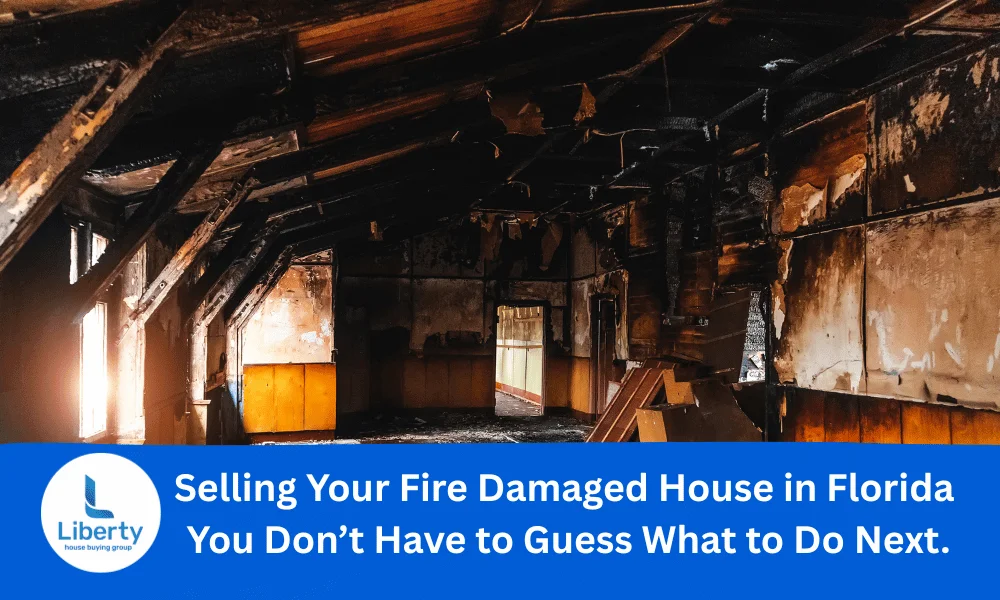
Selling a fire damaged house in Florida requires disclosing known fire, smoke, or structural damage, evaluating repair costs, and choosing between listing traditionally or selling as-is to a cash buyer. Florida disclosure standards permit both approaches, and closing timelines vary based on property condition and buyer type, with some direct cash transactions completing in as little as seven days.
Florida law requires sellers to disclose material defects, and local market conditions influence pricing expectations and time to close.
Homeowners may repair the property for a retail listing, sell it in its current condition, or sell as-is in Florida to a cash buyer. Each option affects upfront expense, transaction certainty, and overall speed.
If avoiding major repair costs or financing-related delays is important, understanding these differences helps prevent unnecessary setbacks.
Selling as-is to a cash buyer removes financing contingencies and simplifies the transaction structure.
Below is a quick recap of your options before you move forward.
Key Facts - Sell Fire Damaged House in Florida
The sale of a fire damaged house in Florida involves legal disclosure obligations and choosing the appropriate sale method.
There are two primary strategies: listing the property traditionally or selling it as-is to a cash buyer. In both cases, known structural or smoke damage must be disclosed before closing.
- Florida sellers must disclose known material fire or structural damage before closing.
- Repair costs directly affect pricing strategy and market positioning.
- Cash transactions eliminate lender-required inspections and financing contingencies.
- Closing timelines vary based on buyer type, negotiation terms, and property condition.

Get Your No-Obligation Cash Offer Started!
See How Much We Can Offer For Your House!
You Have Nothing To Lose!

Can You Sell a Fire Damaged House in Florida?
Yes, you can sell a fire damaged house in Florida as long as known fire, smoke, or structural damage is disclosed to the buyer. Sellers may either repair the property before listing or sell it as-is, including to a cash buyer, depending on cost, condition, and timeline priorities.
Florida law does not prohibit the sale of fire-damaged property. The key requirement is disclosure of any known material defects that could affect value or safety. Buyers must be informed about structural damage, smoke contamination, electrical issues, or ongoing insurance claims before closing.
The decision to repair or sell as-is depends on severity of damage and financial capacity. Some homeowners compare repairing the property versus proceeding with Selling A House As Is In Florida to avoid renovation exposure and lender-driven repair conditions. Minor cosmetic fire damage may allow for traditional listing after remediation. However, significant structural or electrical damage often narrows the buyer pool and increases inspection risk, which can extend closing timelines.
If financing approval or repair budgeting is uncertain, selling without completing major renovations may reduce exposure to delays.
What determines how you can sell:
- Severity of structural, smoke, or system damage.
- Estimated repair costs versus projected resale value.
- Insurance claim status and remaining remediation work.
- Buyer financing requirements and inspection conditions.
Option 1 - Repair Before Selling
Repairing before selling allows the property to qualify for a broader pool of retail buyers. Completing structural repairs, smoke remediation, and electrical corrections can restore market value and reduce lender inspection concerns.
However, repairs require upfront capital and time. Contractors, permits, and re-inspections can delay listing by weeks or months. In addition, resale value may not fully offset renovation costs if comparable homes in the area remain priced competitively.
This option is typically stronger when damage is moderate and repair budgets are predictable.
Option 2 - Sell As-Is to a Cash Buyer
Selling as-is means transferring the property without completing repairs. The buyer evaluates current condition and prices accordingly, eliminating the need for lender-required repairs or renovation before closing.
Cash buyers typically assess structural integrity, remediation scope, and resale potential before presenting an offer. Because financing approval is removed from the equation, the transaction structure can be simpler and may close faster than traditional sales.
This approach is often chosen when repair costs are high or when timing certainty is more important than maximizing resale price.
What Is a Fire Damaged House Worth in Florida?
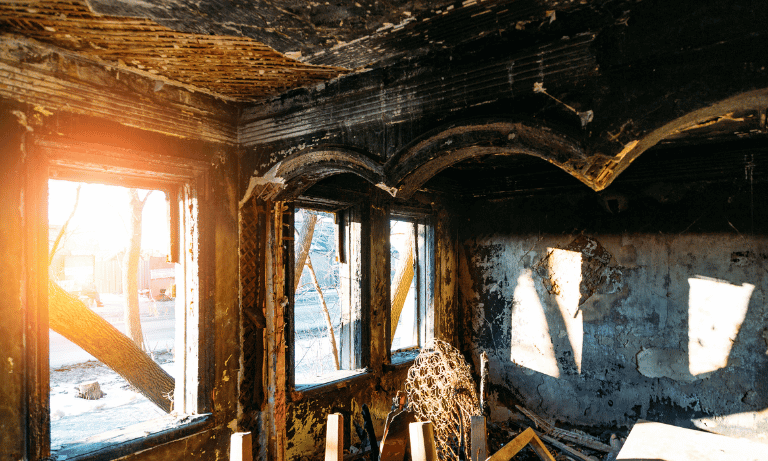
A fire damaged house in Florida is typically valued based on its post-damage condition, estimated repair costs, and comparable sales of similar properties. The greater the structural or system damage, the larger the discount from market value. Insurance claim status and buyer type also directly influence final pricing.
Property value after a fire is not determined by appearance alone. Structural integrity, electrical safety, HVAC contamination, and smoke remediation requirements materially affect appraisal and buyer perception. If damage is limited to cosmetic areas, value impact may be moderate. However, foundation or framing damage significantly reduces buyer financing eligibility.
Comparable sales in the same neighborhood set the baseline, but adjustments are made for repair scope. Traditional buyers often calculate cost to restore plus contingency. Cash buyers typically assess acquisition price relative to resale potential after renovation. In both cases, uncertainty increases pricing conservatism.
If repair estimates vary widely or insurance claims remain unresolved, valuation becomes more cautious to account for risk.
Key factors that determine value:
- Severity and location of fire or structural damage.
- Estimated cost of full remediation and code compliance.
- Comparable property sales in the same area.
- Insurance payout status and remaining repair liability.
- Buyer type and financing approval requirements.
How Damage Severity Affects Value
Damage severity directly correlates with pricing adjustment. Cosmetic smoke damage may result in modest discounts, especially if repairs are straightforward and well-documented. Structural damage to framing, roofing systems, or load-bearing components typically produces deeper reductions due to safety concerns and lender restrictions.
Properties requiring full system replacement, such as electrical rewiring or HVAC remediation, often narrow the buyer pool to investors or cash purchasers. The more extensive the damage, the more conservative buyers become when calculating resale margin and renovation risk.
How Insurance Claims Impact Sale Value
Open or pending insurance claims affect transaction structure and buyer confidence. If funds have already been disbursed and repairs are incomplete, buyers may adjust pricing to reflect remaining work. Clear documentation of claim status improves transparency and reduces negotiation friction.
Regulatory oversight and consumer guidance regarding homeowners insurance are provided by the Florida Office of Insurance Regulation’s homeowners insurance overview, which outlines coverage standards and regulatory context in Florida.
In some cases, unresolved claims create uncertainty regarding repair scope or code compliance. Buyers may require proof of coverage, contractor estimates, or claim assignment agreements before closing. The cleaner the insurance documentation, the more stable the pricing outcome becomes.

How Long Does It Take to Sell a Fire Damaged House?
The time required to sell a fire damaged house depends on damage severity, repair decisions, and buyer financing. A traditional sale can take several weeks or longer if repairs and inspections are required. An as-is cash transaction may close in as little as seven days, depending on documentation and title readiness.
Timeline varies primarily based on whether the property is repaired before listing or sold in its current condition. When repairs are completed first, contractors, permits, inspections, and buyer financing approvals can extend the sales process. Restoration scope often influences that delay, which is why understanding How Long Does Fire Restoration Take in Florida helps set realistic expectations before listing. Even after listing, lender-required inspections may introduce additional delays.
When selling as-is to a cash buyer, the transaction removes mortgage underwriting and appraisal scheduling. However, closing speed still depends on clear title, accurate disclosure, and accessible property condition review. Insurance documentation or unresolved claims can also influence timing.
If timing certainty is critical, reducing financing dependencies typically shortens the transaction window.
What affects the selling timeline:
- Extent of structural or system damage.
- Whether repairs are completed before listing.
- Buyer financing and lender inspection requirements.
- Insurance claim status and documentation clarity.
- Title readiness and lien resolution.
How the Process Works When Selling for Cash
Selling for cash follows a simplified transaction structure that removes lender financing and appraisal contingencies. The process typically includes requesting an offer, completing a property review, receiving a written cash proposal, and closing once title and documentation are verified.
Unlike traditional listings, a cash sale does not require mortgage underwriting or buyer financing approval. The property is evaluated based on current condition, repair scope, and resale feasibility. Because inspection and lender repair conditions are not imposed by a bank, transaction variables are reduced.
However, the sale still requires clear title, accurate disclosure, and agreement on final pricing. Insurance documentation, liens, or unresolved ownership issues can affect speed. When documentation is complete, the process generally moves more predictably than financed transactions.
If certainty and timeline control are priorities, removing lender contingencies reduces structural delays.
Typical cash sale sequence:
- Submit property details and request a written offer.
- Complete condition review and receive a formal proposal.
- Finalize agreement and prepare closing documentation.
- Close once title verification is complete.
Step 1 - Request Your Guaranteed Offer
The process begins by submitting property details for evaluation. Basic information such as damage scope, insurance status, and ownership documentation allows an initial assessment. The goal of this stage is to determine feasibility and establish preliminary pricing expectations.
A written offer is then issued based on condition and market factors. The offer outlines purchase price, closing timeline, and transaction terms. There is no obligation to accept, and no lender approval is required at this stage.
Step 2 - Property Review and Cash Proposal
After initial submission, the property condition is reviewed to confirm structural impact and repair scope. This may involve walkthrough verification or documentation review to validate disclosed damage and estimate renovation requirements.
Based on that review, a finalized cash proposal is prepared. The proposal reflects repair costs, resale risk, and local comparable sales. Once terms are agreed upon, the transaction moves toward title coordination and scheduling.
Step 3 - Close in As Little As 7 Days
Closing speed depends on clear title, documentation readiness, and scheduling availability. When liens are resolved and insurance matters are clarified, cash transactions may close in as little as seven days.
The final step includes signing transfer documents and completing funds disbursement through a licensed closing agent. Because financing contingencies are removed, closing timelines are typically more predictable than traditional mortgage-backed sales.
"The Questions I Had After the Fire - Answered..."

Get Your No-Obligation Cash Offer Started!
See How Much We Can Offer For Your House!
You Have Nothing To Lose!
Fill In This Form To Get Your No-Obligation All Cash Offer Started!
Repair or Sell As-Is - Which Makes More Sense?
Choosing whether to repair or sell as-is depends on damage severity, available capital, and timing priorities. Repairing may increase potential resale value but requires upfront investment and extended timelines. Selling as-is reduces renovation risk and transaction complexity but reflects current property condition in pricing.
Repairing before listing can broaden the buyer pool, particularly if damage is moderate and restoration costs are predictable. A fully repaired property may qualify for conventional financing and appraisals, which can support higher listing prices. However, unexpected repair overruns or inspection findings may reduce projected returns.
Selling as-is shifts renovation responsibility to the buyer. This approach removes contractor coordination and reduces exposure to lender-driven repair requirements. While the sale price accounts for existing damage, it often provides clearer cost control and fewer transaction variables.
If repair budgets are uncertain or timing flexibility is limited, selling without completing renovations may provide greater predictability.
Factor
Commissions / Fees
Who Pays Closing Costs?
Upfront Repair Costs
Buyer Financing
Timeline
Number of Showings
Transaction Risk
Pricing Structure
Repair Before Selling (Listing With Agent)
Up to 6% agent commission, paid by you
Seller typically pays ~2% on average
You pay for contractors, materials, permits, and unexpected overruns
Dependent on mortgage approval and appraisal
Often 60–90+ days with inspections and underwriting
Multiple showings, open houses, negotiations
Subject to inspection repairs, appraisal gaps, loan denial
Higher list price potential, reduced by fees and repair costs
Sell As-Is (Direct Cash Sale)
NONE
NONE - Buyer covers all closing costs
No repair expenses - buyer handles all renovations
No financing contingencies
As little as 7–14 days once title is clear
One walkthrough - no repeated disruptions
Predictable closing once terms are agreed
Offer reflects current condition - no post-inspection renegotiation
Common Concerns When Selling After a Fire
Homeowners often worry about disclosure requirements, inspection demands, insurance complications, and pricing expectations after fire damage. These concerns are valid, but most can be addressed through proper documentation, condition transparency, and choosing the appropriate sale structure based on damage severity and timeline needs.
Selling after a fire introduces additional variables that traditional sales may not involve. Buyers typically evaluate structural safety, smoke impact, and system integrity more carefully. Insurance documentation, repair estimates, and contractor reports can influence negotiation dynamics. In landlord situations, questions may arise regarding liability or tenant responsibility, especially in cases involving Accidental Fire Caused by Tenant in Florida, which can affect insurance coordination and negotiation posture.
While uncertainty is common, clarity reduces friction. Accurate disclosure, documented damage scope, and realistic pricing expectations help stabilize the transaction process. The more transparent the property condition, the more predictable the outcome.
If legal obligations or repair exposure feel unclear, understanding how each factor affects negotiations can prevent last-minute surprises.
Primary post-fire selling concerns:
- Legal disclosure obligations and liability exposure.
- Buyer inspection and lender repair requirements.
- Insurance claim status and documentation clarity.
- Pricing adjustments due to structural damage.
- Transaction delays tied to condition uncertainty.

Do You Have to Disclose Fire Damage in Florida?
Yes. Florida sellers are required to disclose known material defects that could affect property value or safety. Fire, smoke, structural, or electrical damage falls within that obligation. Failure to disclose known defects can expose sellers to post-closing disputes or legal claims.
Disclosure should include visible damage, past remediation work, and any ongoing insurance claims related to the fire. The standardized Florida Realtors Seller’s Property Disclosure Statement reflects how material defects are typically documented in Florida transactions. Providing repair estimates, inspection reports, or contractor documentation strengthens transparency and reduces negotiation risk.
What If There Is an Open Insurance Claim?
An open insurance claim does not prevent a sale, but it affects transaction coordination. Buyers will typically request documentation outlining claim status, payout amounts, and remaining repair scope.
Clear documentation improves negotiation stability. The Florida Division of Consumer Services outlines policyholder responsibilities and documentation standards in its guidance on homeowners insurance claim documentation responsibilities.
If funds have already been disbursed, buyers may adjust pricing based on unfinished work. If the claim is pending, clarification regarding assignment of benefits or responsibility for completion should be agreed upon before closing.
Clear documentation reduces uncertainty and improves negotiation stability.
Will Buyers Require Inspections?
Most traditional buyers using financing will require inspections and lender review. Structural damage, smoke contamination, or electrical concerns may trigger repair conditions before approval.
Cash buyers may still evaluate property condition, but lender-mandated repair requirements are typically removed. Inspection scope depends on buyer type and transaction structure.
Understanding inspection expectations early helps set realistic timeline and pricing assumptions.
Will I Receive a Low Offer?
Offers on fire-damaged properties reflect repair cost, risk exposure, and resale potential. Larger structural damage often results in deeper pricing adjustments due to uncertainty and renovation expense.
However, transparent documentation and realistic pricing reduce negotiation friction. The more defined the repair scope and insurance position, the more stable the offer environment becomes.
Pricing outcome is tied to condition clarity rather than simply the existence of fire damage.
Florida Disclosure and Legal Requirements
Florida law requires sellers to disclose known material defects that materially affect property value and are not readily observable by the buyer. This obligation applies to fire, smoke, structural, or system damage. The legal standard was established in Florida’s Johnson v. Davis disclosure duty for known material defects, which governs residential disclosure expectations statewide.
Under Johnson v. Davis, sellers must disclose facts that materially affect value when those defects are not easily discovered through ordinary inspection. Fire-related damage, including hidden structural weakness, electrical compromise, or smoke contamination, typically qualifies under this rule.
Disclosure does not require speculation about unknown conditions. It applies to defects the seller actually knows about. Providing written documentation of repairs, inspections, or insurance claims strengthens compliance and reduces post-closing dispute risk.
Failure to disclose known material defects can result in rescission claims or damages. Clear and documented communication protects both parties and supports a stable transaction process.
Florida disclosure standards require:
- Disclosure of known material defects affecting value or safety.
- Transparency regarding fire, smoke, structural, or system damage.
- Communication of completed repairs or pending insurance claims.
- Honest representation of known property condition at time of sale.
We Buy Fire Damaged Houses Across Florida
Liberty House Buying Group buys fire damaged houses throughout Florida, including properties sold as-is. Transactions are structured to accommodate structural damage, smoke contamination, and unresolved insurance matters, provided disclosure requirements are met and title is clear.
Statewide coverage allows homeowners to consider a direct sale regardless of location. Fire-damaged properties in coastal markets, inland cities, and smaller communities follow the same disclosure and closing standards under Florida law.
Because damage severity and local comparables vary by region, pricing assessments account for neighborhood sales activity and renovation feasibility. Urban areas may present broader resale markets, while smaller regions may narrow buyer pools. Condition transparency remains the stabilizing factor in all markets.
If travel, coordination, or contractor access presents challenges, statewide purchasing capacity can simplify transaction logistics.
Fire-damaged properties purchased across:
- South Florida metropolitan areas.
- Central Florida residential markets.
- Gulf Coast and Panhandle communities.
- Smaller inland and suburban neighborhoods statewide.
Why Homeowners Choose Liberty House Buying Group
After a fire, most homeowners are not looking for a complicated transaction. They are looking for certainty. Liberty House Buying Group purchases fire-damaged properties directly, provides written cash offers without financing contingencies, and allows sellers to choose their closing date. There are no lender approvals, no appraisal delays, and no repair demands before closing.
Speed matters when insurance pressure, repair uncertainty, or relocation deadlines are involved. Because the transaction is structured as a direct cash purchase, closing can occur in as little as seven days once title and documentation are clear. That removes the waiting period typically associated with traditional listings and mortgage underwriting.
Liberty House Buying Group maintains an A+ rating with the Better Business Bureau, and has completed hundreds of property purchases across Florida. That track record reflects operational consistency, transparent pricing, and predictable closings. Sellers receive a written offer outlining purchase price, terms, and timeline before signing any agreement, allowing for informed decision-making without pressure.
Experience with distressed and fire-impacted homes also matters. Insurance documentation, repair scope disclosures, structural evaluations, and condition-based negotiations are handled routinely. This reduces transaction friction and prevents last-minute surprises that often derail traditional sales.
This is why sellers across Florida trust Liberty House Buying Group:
A+ BBB rating and established public review history
Hundreds of completed purchases throughout Florida
Ability to close fast, often in as little as seven days
Seller-selected closing dates aligned with personal timelines
Cash offers without lender underwriting or appraisal delays
Frequently Asked Questions About Selling a Fire Damaged House in Florida
In Florida, you can transfer a fire-damaged home as long as you fully disclose known structural, smoke, or system-related issues before closing. The key decision is whether repairing the damage makes financial sense or whether selling in its current condition reduces risk, cost exposure, and timeline uncertainty. Insurance status, repair estimates, and buyer financing requirements will directly affect how the transaction unfolds.
Yes, you can sell a house with fire damage in Florida without completing repairs if the buyer agrees to purchase it as-is. The seller must disclose known fire, smoke, or structural issues. Selling in current condition shifts renovation responsibility to the buyer and removes lender-driven repair requirements.
Price is determined by post-damage condition, estimated remediation costs, comparable sales, and buyer type. Structural or system damage typically increases discount levels. Insurance claim status and unresolved repairs also influence valuation. Investors calculate renovation risk and resale feasibility before finalizing an offer.
Yes, Florida law requires disclosure of known material defects, including fire, smoke, structural, or electrical damage. Open or pending insurance claims must also be disclosed because they affect repair responsibility and pricing negotiations. Failure to disclose known issues can result in post-closing legal disputes.
Selling to a real estate investor can help minimize costs, as they typically buy properties “as is” and cover most of the closing costs. Additionally, there are no real estate agent commissions involved in selling directly to an investor.
Liberty House Buying Group purchases fire-damaged properties directly by evaluating structural impact, repair scope, and insurance documentation before issuing a written cash offer. Transactions are structured without mortgage financing contingencies. Closing timelines depend on title clarity, documentation readiness, and agreement on final pricing.
Closing Thoughts-When Certainty Matters More Than Renovation
Selling a fire damaged house in Florida is not a cosmetic decision. It is a risk calculation involving repair exposure, insurance coordination, disclosure liability, and timing pressure. The correct path is the one that reduces uncertainty, preserves capital, and protects closing stability. When renovation variables and lender conditions introduce volatility, a controlled transaction structure becomes the safer financial decision.
For sellers who want speed without financing delays or contractor uncertainty, the most direct way forward is to sell your house for cash In Florida through a buyer that operates statewide with documented performance. Liberty House Buying Group maintains an A+ Better Business Bureau rating, has completed hundreds of purchases across Florida, and structures transactions with transparent terms and no hidden fees, allowing sellers to close on their timeline with full clarity from contract to funding.
About Eli Pasternak

Eli Pasternak is an experienced Home Cash Buyer and a licensed Real estate Agent. As the owner of Liberty House Buying Group, Eli’s goal is to provide home sellers with better options for their real estate problems than a traditional home sale. He’s been featured in multiple publications, including Realtor.com, Yahoo Finance, MSN, AOL, NBC, FOX, Apartment Therapy, People.com, and more. With Eli's professional guidance, rest assured that your real estate needs will be expertly addressed.
Get Your Free Cash Offer Now!
We Offer a Stress-Free Solution
We will go above and beyond to bring you an offer that works! We will handle everything so you don’t have to!
Remember, it’s 100% FREE and never any obligation to accept.
Fill out the form below and get your offer started!
Fill In This Form To Get Your No-Obligation All Cash Offer Started!
